Hey there, fellow riders! Are you ready to take your motorcycle skills to the next level? Well, it’s time to buckle up and dive into our latest article on how to shift gears on a motorcycle for unrivaled smoothness and control. Whether you’re a newbie or a seasoned pro, we’ve got all the insider tips and tricks to help you unleash your true riding mastery. So, rev up your engines and get ready to conquer the roads like never before!
1. Mastering Gear Shifts: The Key to Effortless Motorcycle Maneuvering
When it comes to motorcycle riding, one skill that separates the novice from the expert is mastering gear shifts. Gear shifting is not only about changing gears; it’s about achieving seamless transitions that allow for effortless maneuvering on the road. Whether you’re a new rider or looking to improve your skills, understanding the ins and outs of gear shifting is essential for achieving smooth riding mastery.
1. Get to Know Your Motorcycle’s Transmission
Before diving into the art of gear shifting, familiarize yourself with your motorcycle’s transmission system. Different motorcycles have various types of transmissions, such as manual, semi-automatic, and automatic. Understanding how your specific bike operates will give you the foundation needed to effectively shift gears.
2. Master the Clutch Control
One of the crucial aspects of smooth gear shifting is mastering clutch control. The clutch allows you to disengage the engine from the transmission temporarily, enabling you to switch gears smoothly. Practice finding the friction point where the clutch engages while releasing it gradually to ensure a seamless transition between gears.
3. Timing and Rev Matching
To achieve effortless gear shifts, timing is everything. When upshifting, smoothly roll off the throttle while simultaneously pulling in the clutch and shifting up a gear. On the other hand, when downshifting, rev matching becomes vital. By blipping the throttle while simultaneously downshifting and releasing the clutch, you ensure the engine speed matches the newly engaged gear, avoiding jerky movements and undue stress on your motorcycle’s drivetrain.
| Gear | Speed Range |
|---|---|
| 1st | 0-15 mph |
| 2nd | 15-25 mph |
| 3rd | 25-40 mph |
| 4th | 40-55 mph |
| 5th | 55-70 mph |
| 6th | 70+ mph |
Basic motorcycle gear speed ranges.
Remember, becoming a master at gear shifting takes practice and patience. Don’t be discouraged if you don’t get it right away. Take your motorcycle out for a spin, find an open road, and experiment with different techniques. As you gain experience, you’ll soon find yourself effortlessly maneuvering through traffic and enjoying the freedom of the open road.
2. Understanding Gear Ratios: Unlocking Optimum Performance on Two Wheels
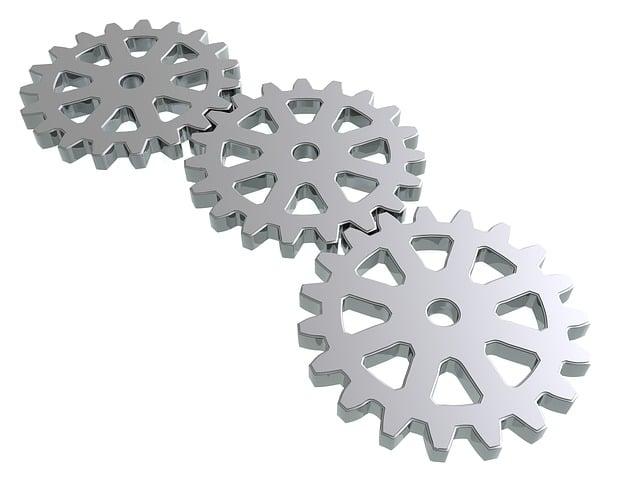
Gear ratios play a critical role in optimizing the performance of your motorcycle and unlocking a truly smooth riding experience. Understanding how gear ratios work is essential for any rider looking to master their machine and take their riding to the next level. By harnessing the power of gear ratios, you can ensure that your motorcycle is always in the right gear for optimum performance and efficiency.
One of the key aspects to grasp about gear ratios is the concept of leverage. Different gears provide varying levels of mechanical advantage, allowing you to either multiply your engine’s power for quick acceleration or reduce it for maintaining speed. By shifting gears at the right time and in the right sequence, you can ensure a seamless transition between each gear, resulting in a smooth and controlled ride.
It’s crucial to understand the interplay between the front and rear sprockets and how they affect your gear ratios. The front sprocket, also known as the counter-shaft sprocket, is the smaller sprocket connected to the engine output shaft. The rear sprocket, on the other hand, is connected to the rear wheel. By changing the sizes of these sprockets, you can alter the gear ratios and tailor your motorcycle’s performance to suit your riding style.
To help you visualize the impact of different gear ratios, let’s take a look at a hypothetical example. Imagine you’re riding a motorcycle with a 16-tooth front sprocket and a 40-tooth rear sprocket. In this configuration, the gear ratio would be 16:40 or 0.4. This ratio means that for every revolution of the front sprocket, the rear sprocket will rotate 0.4 times. If you were to change the front sprocket to 14 teeth while keeping the rear sprocket the same, the gear ratio would become 14:40 or 0.35. This alteration would result in a higher gear ratio, meaning the motorcycle would have more acceleration but lower top speed.
By understanding gear ratios and how to manipulate them, you have the power to fine-tune your motorcycle’s performance according to your preferences. Whether you’re a speed enthusiast seeking quick bursts of acceleration or a long-distance rider aiming for optimal fuel efficiency, mastering gear ratios will unlock the full potential of your two-wheeled machine. So get in the saddle, shift gears like a pro, and experience the exhilaration of smooth riding mastery!
3. The Art of Rev-Matching: Seamlessly Transitioning Gears for Enhanced Riding Experience
Rev-matching is a skill that every motorcycle rider should strive to master. When shifting gears, rev-matching involves matching the engine speed to the speed of the rear wheel, resulting in a seamless transition that enhances the overall riding experience. By downshifting before a turn or upshifting when accelerating, rev-matching ensures that the engine and transmission work harmoniously, preventing jerky movements or unnecessary wear and tear on the components.
To successfully rev-match, it’s crucial to have a good understanding of your motorcycle’s gear ratios and engine characteristics. As you approach a turn, for example, you should anticipate the need to downshift by blipping the throttle while simultaneously pulling in the clutch. This blip in the throttle raises the engine revs to match the lower gear, allowing for a smooth engagement when releasing the clutch. With practice, this technique becomes second nature, and you can effortlessly execute shifts that make you feel like a true master of the road.
Here are some tips to make rev-matching second nature for you:
-
Familiarize yourself with your motorcycle’s gear ratios and engine characteristics. These can vary significantly between different bikes, so it’s essential to understand how your specific motorcycle responds to different gear changes and throttle inputs.
-
Practice in a controlled environment before attempting rev-matching on the road. Find a quiet parking lot or open road where you can focus solely on mastering this technique. Start by downshifting into lower gears and gradually work your way up to higher gears.
- Pay close attention to the sound and feel of your motorcycle. Rev-matching requires a keen sense of timing and coordination. Listen for the engine revs rising as you blip the throttle and feel for a smooth engagement when releasing the clutch.
By incorporating rev-matching into your riding repertoire, you’ll not only enhance your overall riding experience but also prolong the life of your motorcycle’s engine and transmission. So, the next time you shift gears, unleash the smooth riding mastery that comes with seamlessly transitioning through gears like a pro!
4. Smooth Shifting Techniques: Boosting Confidence and Control on Your Motorcycle
Shifting gears on a motorcycle can be a thrilling experience, but it can also be challenging for beginners. Mastering smooth shifting techniques is not only essential for boosting your confidence, but it also helps to maintain control over your bike. So buckle up, gearheads, because we’re about to unleash the secrets to smooth riding mastery!
-
Find the sweet spot: One of the key elements of smooth shifting is finding the sweet spot in your bike’s RPM range. This is the point at which the engine is generating enough power to smoothly transition to the next gear. Pay close attention to your bike’s tachometer and practice shifting at different RPMs to determine this sweet spot for each gear.
-
Use the clutch effectively: The clutch is your best friend when it comes to smooth shifting. Make sure to fully disengage the clutch by pulling the lever all the way in before changing gears. This allows for a seamless transition without any jerking or lurching. Likewise, release the clutch slowly and smoothly when engaging the next gear to prevent any abrupt movements.
- Time your shifts: Timing is everything when it comes to shifting gears. To achieve a smooth shift, gently roll off the throttle as you begin to pull in the clutch. As the revs start to drop, shift up or down smoothly and simultaneously release the clutch while gradually rolling back on the throttle. The key is to synchronize the actions of your clutch, throttle, and shifting to maintain a smooth flow of power.
Remember, practice makes perfect. Don’t be discouraged if your first attempts at smooth shifting aren’t seamless – it takes time to develop the muscle memory and coordination required. With patience, determination, and these tried and true techniques, you’ll soon be gliding effortlessly through the gears, experiencing the true joy of motorcycle riding. Now, go out there and ride like a pro!
| Quick Tips: |
|---|
| 1. Listen to your engine – it’ll tell you when to shift. |
| 2. Avoid rapid throttle changes during shifting. |
| 3. Relax and trust your instincts – smooth shifting becomes second nature with practice. |
| 4. Regularly check and maintain your bike’s clutch and transmission for optimal performance. |

5. Choosing the Right Gear for Every Situation: Unleashing the Full Potential of Your Bike
Choosing the right gear for your motorcycle can make all the difference in your riding experience. Each situation calls for a different set of gears to ensure you have a smooth ride and can fully unleash the potential of your bike. Here are some tips to help you make the right gear choices and achieve riding mastery.
1. Understand your bike: Before you can choose the right gear, it’s important to understand your motorcycle. Take the time to familiarize yourself with its capabilities, including the engine power and torque. This knowledge will guide you in selecting the appropriate gear for different riding situations.
2. Consider the terrain: Whether you’re cruising along the open road or tackling challenging off-road trails, the terrain plays a crucial role in gear selection. For smooth highways, higher gears are ideal for maintaining a steady speed and conserving fuel. In contrast, lower gears provide better control and stability when navigating rough or slippery terrains.
3. Match RPM with gear changes: The key to smooth gear shifts lies in matching your bike’s RPM (revolutions per minute) with the appropriate gear. When accelerating, ensure you reach the optimum RPM range before shifting up to the next gear. Similarly, when decelerating or slowing down, downshifting to a lower gear at the right RPM will prevent engine strain and maintain control.
4. Know when to use gears and brakes: Gears and brakes work hand in hand to give you balanced control and ensure safety. As a general rule, use gears to adjust your speed and maintain stability, while brakes are primarily for slowing down or coming to a complete stop. Understanding this distinction will enhance your overall riding skills and confidence.
By choosing the right gear for every situation, you can unlock the full potential of your bike and experience a more enjoyable ride. Remember to always prioritize safety and practice your gear shifting techniques to perfect your riding mastery. So grab your helmet, hop on your motorcycle, and let the smooth gear shifts take you on incredible adventures.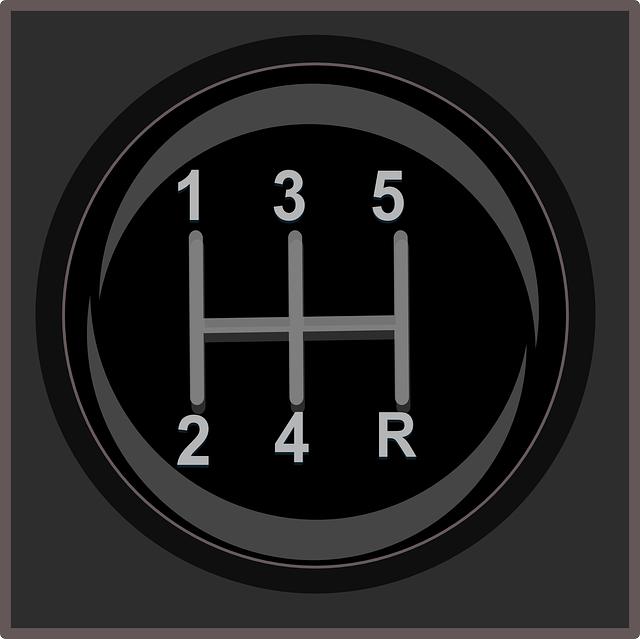
6. Perfecting Clutch Control: Achieving Precise and Fluid Gear Changes
When it comes to riding a motorcycle, mastering clutch control is essential for a smooth and enjoyable experience on the road. To achieve precise and fluid gear changes, it’s important to understand the mechanics and techniques behind clutch control.
First and foremost, familiarize yourself with the location and function of the clutch lever. This lever is your key to engaging and disengaging the power from the engine. By pulling the clutch lever towards you, you disconnect the engine from the transmission, allowing you to transition between gears smoothly.
- Ensure proper hand positioning: Maintain a firm grip on the handlebars while keeping your hand relaxed enough to control the clutch lever effortlessly.
- Practice finding the friction point: Slowly release the clutch lever until you feel resistance, also known as the “friction point.” This is the sweet spot where the clutch is neither fully engaged nor fully disengaged.
- Time your gear changes: When shifting gears, remember to roll off the throttle while simultaneously pulling in the clutch lever. Without any tension on the drivetrain, you can now switch gears and release the clutch lever smoothly.
By honing your clutch control skills, you’ll be able to shift gears seamlessly, eliminating any jerking or stalling during gear changes. Practice makes perfect, so take your time and experiment with different techniques until achieving that effortless and fluid riding experience you’ve always desired.
7. Breaking Down the Gear Shift Patterns: Navigating Any Road with Ease
In the world of motorcycle riding, shifting gears efficiently is essential for a smooth and enjoyable experience on any road. Whether you are a beginner or an experienced rider, mastering the gear shift patterns will greatly enhance your confidence and ability to navigate different terrains effortlessly.
To ensure a seamless gear shift, it is crucial to understand the basic gear shift patterns of motorcycles. Most motorcycles follow a standard pattern, commonly referred to as the “one-down, five-up” gear shift pattern. This means that the first gear is engaged by shifting the gear lever down, followed by shifting upward through the gears to reach the fifth gear.
However, it’s important to note that not all motorcycles adhere to this pattern. Some models may have a different gear shift pattern, such as the “one-down, four-up” or the “one-down, six-up” pattern. Therefore, it is fundamental to familiarize yourself with the specific gear shift pattern of your motorcycle by referring to the manufacturer’s manual or seeking guidance from experienced riders.
Once you have a clear understanding of your motorcycle’s gear shift pattern, the next step is to develop smooth shifting techniques. Here are some tips to help you shift gears seamlessly:
1. Clutch control: Engaging and disengaging the clutch smoothly is crucial for a seamless gear shift. Gradually release the clutch while simultaneously applying pressure on the throttle to ensure a smooth transition between gears.
2. Rev matching: When shifting gears, it is beneficial to rev-match the engine speed with the new gear ratio. This technique helps in reducing stress on the transmission and results in smoother gear shifts. Practice rev-matching by blipping the throttle while downshifting or by tapping the throttle while upshifting.
3. Timing is key: Timing plays a vital role in shifting gears smoothly. Aim to shift gears when the engine is at the optimum RPM range, usually indicated by a change in engine sound or the tachometer reading. Shifting gears at the right time will prevent lurching or stalling of the motorcycle.
With practice and patience, mastering gear shifting techniques will become second nature, allowing you to navigate any road with ease. Remember to always prioritize safety and adhere to traffic rules while enjoying the exhilarating sensation of shifting gears on your motorcycle. Happy riding!
9. Advanced Gear Shifting Techniques: Elevating Your Riding Skills to the Next Level
You’ve mastered the basics of gear shifting on your motorcycle, and now it’s time to take your skills to the next level. Advanced gear shifting techniques can enhance your riding experience, making it smoother, more efficient, and more enjoyable. In this post, we’ll explore some expert techniques that will elevate your riding skills and help you become a true master of the road.
1. Rev-Matching
Rev-matching is a technique that allows you to seamlessly shift gears without jerking or losing control of your motorcycle. It involves matching the engine speed with the speed of the new gear before engaging the clutch. To achieve this, blip the throttle while downshifting to increase the engine speed. This will help you smoothly transition from one gear to another, keeping your ride stable and comfortable.
2. Clutchless Shifting
Clutchless shifting is a technique that experienced riders use to shift gears without using the clutch lever. It may sound daunting at first, but with practice, it can become a valuable skill to have. To clutchless shift, simply apply slight pressure on the gear lever while maintaining a steady throttle. As the engine speed matches the speed required for the new gear, the lever will smoothly slide into place. This technique can reduce wear on your clutch, improve acceleration, and allow for quicker gear changes.
3. Sequential Shifting
Sequential shifting is commonly used in motorcycle racing and can greatly improve your riding performance. Instead of using the toe shifter to shift gears, you can use a quickshifter to make lightning-fast gear changes. A quickshifter allows you to shift up or down without using the clutch or rolling off the throttle. This enables you to keep both hands on the handlebars and maintain full control of your motorcycle, resulting in faster, more precise shifts.
By embracing these advanced gear shifting techniques, you’ll be well on your way to unlocking the full potential of your riding skills. Remember, practice makes perfect, so take the time to master these techniques in a safe and controlled environment. Soon enough, you’ll be effortlessly gliding through gears, experiencing the thrill of smooth riding mastery!

10. Mastering Slow-Speed Maneuvers: Shifting Gears with Confidence in Traffic and Tight Spaces
The Key to Mastering Slow-Speed Maneuvers: Shifting Gears with Confidence!
When it comes to riding a motorcycle, mastering slow-speed maneuvers is essential for every rider. Whether you find yourself in heavy traffic or navigating tight spaces, being able to shift gears with confidence can make all the difference in your riding experience.
Here are some key tips and tricks to help you unleash smooth riding mastery:
- Familiarize Yourself with the Clutch: The clutch is your best friend when it comes to slow-speed maneuvering. Take the time to fully understand how it works and practice engaging and disengaging it smoothly. This will allow you to control the power delivery of your motorcycle effectively.
- Master the Art of Downshifting: Downshifting is crucial for maintaining balance and stability when maneuvering at slow speeds. Practice downshifting smoothly while maintaining steady throttle control. This will help you avoid sudden jerks or stalls, ensuring a seamless transition between gears.
- Find Your Motorcycle’s Balance Point: Every motorcycle has a balance point that allows for maximum control at low speeds. Experiment with finding this sweet spot by gradually reducing your speed while maintaining a light touch on the throttle. Once you’ve discovered it, you’ll feel more confident in executing tight turns and navigating through traffic.
Remember, mastering slow-speed maneuvers takes time and practice. Start by finding an open space where you can comfortably practice shifting gears and maneuvering at low speeds. As you gain more confidence, gradually challenge yourself by practicing in different traffic scenarios and tight spaces. Before you know it, you’ll be effortlessly gliding through traffic, leaving others in awe of your smooth riding skills!
In conclusion, embracing the art of shifting gears on your motorcycle will propel your riding experience to new heights. By mastering this fundamental skill, you’ll effortlessly glide through the open road, finding an organic connection between man and machine. So, riders, don’t be afraid to unlock the true potential of your ride and revel in the symphony of a smooth gear shift. With practice, patience, and a touch of finesse, you’ll soon be harnessing the power of precise gear changes, leaving the ordinary behind and cruising towards the extraordinary. So, gear up, ride on, and let your mastery of shifting gears ignite the passion within you. Safe travels!