Hey there, fellow riders! If you’ve ever wondered just how many miles constitute high mileage for a motorcycle, you’re not alone. In this article, we delve into the world of mileage mysteries and answer the burning question: when are motorcycle miles considered high? Buckle up and get ready to ride!
Determining the Mileage Threshold for Motorcycles
When it comes to gauging the mileage of a motorcycle, there are a few key factors to consider. While motorcycles are built to last, the number of miles on the odometer can impact the overall performance and longevity of the bike. So, when are motorcycle miles considered high?
Here are some important points to keep in mind when :
- Manufacturer Recommendations: Check the owner’s manual for the manufacturer’s recommended maintenance intervals based on mileage.
- Regular Maintenance: Proper care and maintenance can help extend the life of a motorcycle, even with higher mileage.
- Condition of the Bike: The overall condition of the motorcycle, including how well it has been cared for, can also impact how many miles it can handle.

Factors That Influence Mileage Perception for Motorcycles
can vary greatly among riders. One key factor is the type of motorcycle being ridden, as different types of bikes have different fuel efficiencies. For example, a smaller, more lightweight motorcycle may be perceived as having higher mileage compared to a larger, heavier cruiser.
Another factor to consider is the maintenance and care of the motorcycle. Regular maintenance, such as keeping tires properly inflated and changing the oil regularly, can improve fuel efficiency and overall mileage perception. On the other hand, neglecting maintenance can lead to poorer performance and lower perceived mileage.
Additionally, riding habits and driving conditions can also play a role in how mileage is perceived. Riding in stop-and-go city traffic may give the impression of lower mileage, while highway cruising can make it seem like the motorcycle has better fuel efficiency. Overall, there are many factors that can influence how motorcycle miles are considered high or low, making it a complex and subjective topic for riders to ponder.
| Factors influencing mileage perception | Examples |
|---|---|
| Type of motorcycle | Sportbike vs. cruiser vs. touring bike |
| Maintenance | Regular vs. neglected maintenance |
| Riding habits | City traffic vs. highway cruising |

Signs of Wear and Tear to Look Out for in High-Mileage Motorcycles
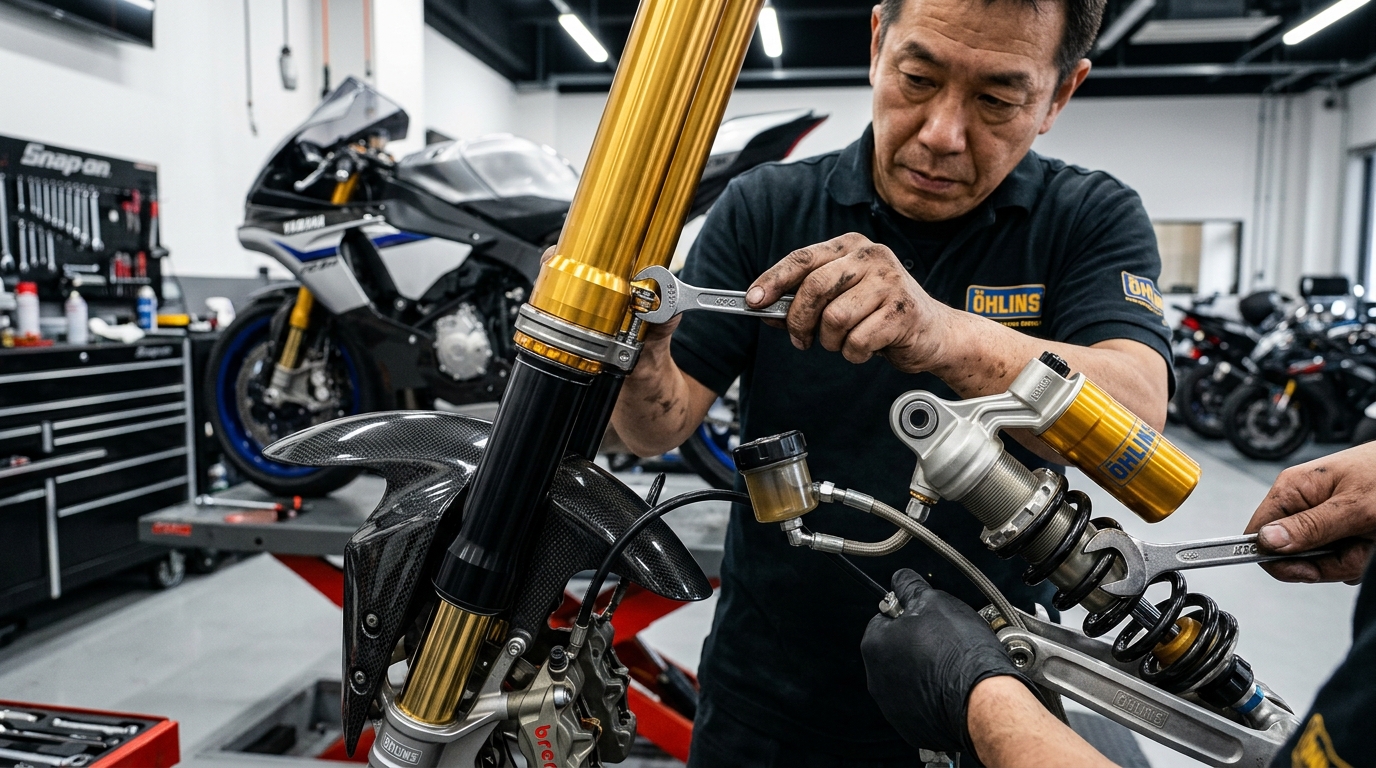
As motorcycles rack up the miles, certain parts and components are bound to show signs of wear and tear. Keeping an eye out for these common issues can help prevent more serious problems down the road. Here are some key signs to look for in high-mileage motorcycles:
- Chain and Sprockets: Check for slack in the chain, as well as worn or missing teeth on the sprockets.
- Tires: Look for uneven wear patterns, cracking, or low tread depth, which can indicate the need for replacement.
- Brake Pads: Inspect the brake pads for thinning and uneven wear, as well as any unusual noises or vibrations when braking.
Effective Maintenance Practices to Extend the Lifespan of a Motorcycle
When it comes to determining when motorcycle miles are considered high, there are several factors to consider. The lifespan of a motorcycle can vary greatly depending on how well it is maintained and ridden. Here are some key points to keep in mind:
- Regular maintenance is essential in keeping a motorcycle running smoothly and extending its lifespan. This includes oil changes, chain adjustments, tire checks, and overall inspections.
- Environmental factors such as climate and road conditions can also play a role in how many miles a motorcycle can handle before it is considered high mileage.
- Another important consideration is how the motorcycle is ridden. Aggressive riding styles and frequent high-speed travel can put more stress on the bike and lead to quicker wear and tear.
Overall, it is important to regularly monitor the condition of your motorcycle and address any issues promptly to ensure a long and healthy lifespan for your bike. By following effective maintenance practices and being mindful of how you ride, you can help extend the life of your motorcycle and enjoy many more miles on the road.
Common Myths Debunked About High-Mileage Motorcycles
One common myth about high-mileage motorcycles is that they are unreliable and on the verge of breaking down. In reality, motorcycles are built to last, and many riders have reported going well over 100,000 miles on their bikes with proper maintenance. Just like cars, motorcycles need regular maintenance to keep them running smoothly, regardless of the mileage.
Another myth is that high-mileage motorcycles are not worth as much as low-mileage ones. While it’s true that lower mileage can increase the resale value of a motorcycle, a well-maintained high-mileage bike can still hold its value. In fact, some riders prefer high-mileage motorcycles because they may have already had common issues addressed and have proven their reliability over time.
It’s important for riders to remember that high mileage on a motorcycle doesn’t necessarily mean it’s time to trade it in for a newer model. With proper care and maintenance, a high-mileage motorcycle can continue to provide many more years of enjoyable riding. So, don’t let the fear of high mileage hold you back from getting the most out of your beloved bike!

How to Properly Assess the Value of a High-Mileage Motorcycle
Assessing the value of a high-mileage motorcycle can be a tricky task, as there are various factors to consider. One of the main questions that often arises is: when are motorcycle miles considered high? While there is no definite answer to this question, it is essential to take into account the following key points:
- Overall condition: Look at the general state of the motorcycle, including its maintenance history and any signs of wear and tear.
- Service records: Check if the bike has been regularly serviced and if any major repairs or upgrades have been made.
- Market demand: Research the current market value of similar high-mileage motorcycles to determine a fair price.
Remember, while high mileage can sometimes be a red flag, a well-maintained motorcycle with high miles can still offer great value and performance. By carefully assessing these factors, you can make an informed decision when buying or selling a high-mileage motorcycle.
| Factor | Consideration |
|---|---|
| Overall Condition | Check maintenance history and signs of wear. |
| Service Records | Review for regular servicing and repairs. |
| Market Demand | Research current market value for fair pricing. |

Strategies for Buying a High-Mileage Motorcycle Safely and Securely
How to Safely Purchase a High-Mileage Motorcycle
Buying a high-mileage motorcycle can be a great way to save money, but it’s important to approach the purchase with caution. Here are some strategies to help you buy a high-mileage motorcycle safely and securely:
- Research the Model: Before making a purchase, research the specific make and model of the motorcycle you’re interested in. Look for common issues or problems that may arise with higher mileage.
- Inspect the Maintenance Records: Ask the seller for maintenance records to ensure that the motorcycle has been well-maintained. Regular maintenance is key to keeping a high-mileage bike running smoothly.
- Test Ride the Motorcycle: Before finalizing the purchase, take the motorcycle for a test ride. Pay attention to how it handles and any unusual noises or vibrations.

Tips for Owners to Keep High-Mileage Motorcycles Running Smoothly
As motorcycles rack up the miles, owners may wonder when their bike’s mileage can be considered high. While there is no set number that universally defines high mileage for motorcycles, it is generally agreed upon that once a bike reaches around 20,000-30,000 miles, it can be considered to have higher mileage. However, with proper maintenance and care, motorcycles can continue to run smoothly well beyond this point.
To keep high-mileage motorcycles running smoothly, owners should follow these tips:
- Regular Maintenance: Stay on top of routine maintenance tasks such as oil changes, tire rotations, and chain adjustments to ensure optimal performance.
- Inspect and Replace Parts: Regularly inspect critical components like brakes, suspension, and bearings for wear and tear, and replace as needed to prevent further damage.
- Ride Responsibly: Avoid aggressive riding styles that can increase wear and tear on the bike, leading to premature part failure. Smooth acceleration and braking can help extend the life of your motorcycle.

Benefits of Owning a High-Mileage Motorcycle
Increased Affordability
Owning a high-mileage motorcycle can be significantly more affordable than purchasing a brand new model. Since these bikes have been on the road for some time, their prices tend to be lower, making them a great option for riders on a budget.
Proven Reliability
High-mileage motorcycles have already proven their reliability by withstanding the test of time and accumulating a significant number of miles. This means that they have been maintained well and are less likely to have major mechanical issues.
Unique Character
Older motorcycles with high mileage often have a unique character and charm that newer models may lack. They have a history and a story to tell, making them a great conversation starter among fellow riders. Embrace the patina and wear with pride!

Exploring the Longevity of High-Mileage Motorcycles
When it comes to high-mileage motorcycles, there is often a debate on when exactly miles are considered “high.” While some may argue that anything over 50,000 miles is high, others believe that modern bikes can easily surpass 100,000 miles with proper maintenance. The truth is, the longevity of a motorcycle depends on various factors, such as the make and model, maintenance history, riding conditions, and the type of engine.
Factors affecting the longevity of high-mileage motorcycles:
- Type of engine (e.g., air-cooled vs. liquid-cooled)
- Maintenance history (regular oil changes, tune-ups, etc.)
- Riding conditions (highway vs. city, smooth roads vs. rough terrain)
- Make and model of the motorcycle
| Make & Model | Maximum Mileage Reported |
|---|---|
| Honda Goldwing | 300,000 miles |
| BMW R1200GS | 200,000 miles |
| Harley-Davidson Road Glide | 150,000 miles |
So, what’s the verdict on when motorcycle miles are considered high? The truth is, it ultimately depends on several factors including regular maintenance, riding conditions, and overall care of the bike. While some riders may worry about hitting a certain mileage threshold, what truly matters is how well the bike has been taken care of throughout its life. Remember, a well-maintained motorcycle can take you on countless adventures regardless of how many miles are on the odometer. Stay safe and keep on riding!
Get our latest guides, news, and insights highlighted in your Google Search & AI Overviews.